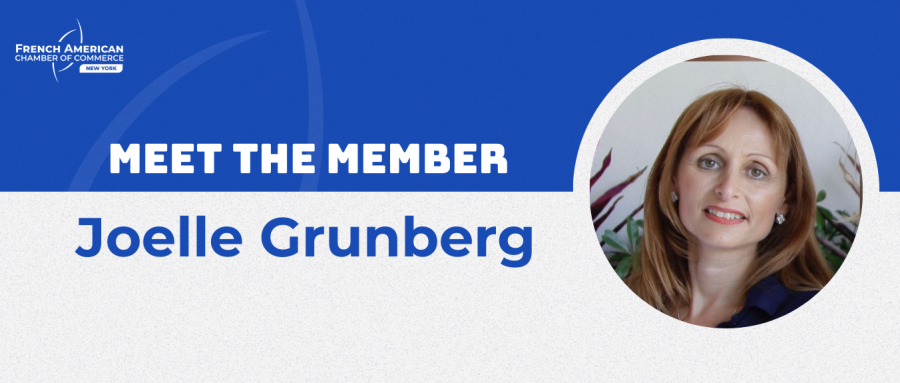
Joëlle Grunberg, President of North America at Tory Burch, is a seasoned executive whose career spans financial services, strategic consulting, and leadership roles across some of the world’s most recognized fashion and luxury brands. With a foundation built in performance-driven environments and a trajectory that includes senior roles at McKinsey & Company, Lacoste, and Wolverine Worldwide, she is known for pairing sharp strategic insight with a deeply human approach to leadership. Passionate about building strong, diverse teams and committed to mentoring the next generation of leaders, Joëlle brings both rigor and purpose to everything she does — shaping not only the brands she leads, but the people behind them. We were delighted to connect with Joëlle to gain her perspective on leadership, mentorship, and the experiences that have defined her journey.
Looking back on your early career from financial audit and transaction services to leadership in global brands, what defining moments or mentors helped shape your leadership style and resilience as a woman in predominantly male executive spaces?
As long as I can remember, I have always had bosses that were men and operated in predominantly male leadership circles. Luckily, I have always had a high level of confidence gained in my first 10 years in financial services and strategic consulting working in very egalitarian environments, where performance was really the only thing that mattered. You would put in the hours and the effort and you would progress… So when I took my first role as a Managing Director in a luxury retail company 20+ years ago, I really didn’t know that being a woman could make a difference in a negative way… My boss at the time, the founder of the company, taught me all the tricks of leading in retail, and as trust built over the years we became very close and 15 years later to this day, I have lunch with him twice a year when I go to Paris. His mentorship built my expertise and shaped my whole career… Forever grateful to you Jean-Claude.
Throughout your tenure across iconic brands like Lacoste, Wolverine Worldwide and McKinsey’s fashion practice, what challenges taught you the most about balancing strategic vision with empathy — particularly in developing and empowering diverse teams?
I think what I learned throughout the years, sometimes the hard way, is that you can be the smartest, the most hard working person in the world but if you don’t surround yourself with a very strong and dedicated executive team you will never make it in the long run. In fashion retail, it’s less about strategy than it is about meticulous and thoughtful execution. And not having the right people with you will definitely hold you back. And obviously having diverse teams representative of the customer you serve is an absolute pre-requisite in my mind.
Women’s History Month is a time to honor women who break barriers. Can you share a pivotal moment when you felt you were breaking through one and how that shaped your commitment to advancing and supporting women in business?
As mentioned earlier, I really never felt being a woman was a problem or holding me back. That said, later in my career, I started getting more and more involved in women leadership circles and wanting to spend time mentoring women and making sure I lift other women up. In my most recent years at McKinsey, I led several women initiatives and coached more junior colleagues as they were seeking career advice. I get regular outreaches and always have once or twice a week time for mentoring and coaching more junior women who need advice. It is rewarding for me and seeing other women thrive makes for great moments.
In your point of view, how does the fashion and luxury industry uniquely create space (or barriers) for women leaders, and what are the practical changes you believe will matter most for the next generation of women executives?
I think its important for women to constantly seek advice, coaching and mentoring so they learn from others. Making the time for those interactions is key for their long term success. It’s not just about being the best performer or putting in long hours, it’s about navigating the political environment of a company and understanding how to stand out and build the next steps of your career in a thoughtful way. You have to get yourself out there and promote your own brand, and also you need people who will support you and pound the table for you. Who are those people, how do you have them support you?
As a leader whose journey spans continents and cultures, how do you draw on your personal identity and experiences to foster a sense of purpose and belonging — for yourself and for the teams you lead?
I have an atypical background for many reasons, but I have always had a very strong sense of purpose and am very driven. I am an absolute believer in the brands I have worked for throughout the years and wouldn’t put in the effort and the long days if I didn’t feel I could drive impact and make a difference. Some of these brands like Lacoste for example will always be in my heart… People see that and those who work close to me appreciate it, I guess, and ultimately share the same objective. I am passionate, I like working with people who are too, and it keeps the energy high even in the difficult moments that are bound to happen.
–